
Summary
- Even minor car accidents can lead to hidden injuries that appear days or weeks later.
- Insurance companies may offer low settlements, assuming the accident was minor.
- Hiring an attorney ensures all medical bills, damages, and future expenses are properly documented.
- Legal representation helps handle insurance negotiations, paperwork, and potential disputes.
- Consulting a lawyer protects your rights and increases the chances of fair compensation.
Understanding Minor Car Accidents
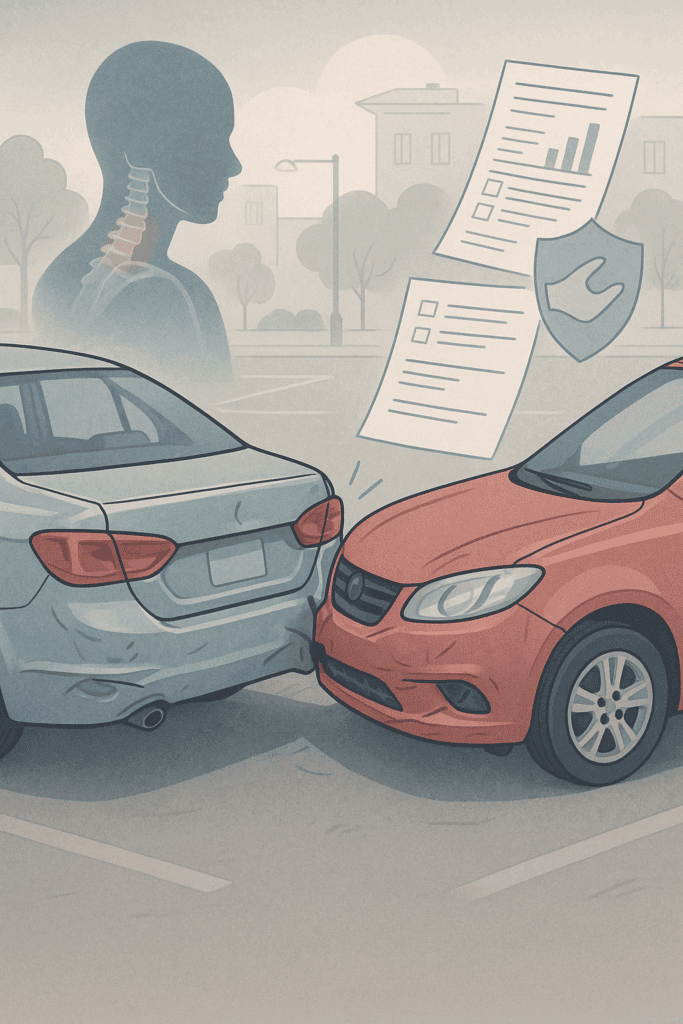
Minor car accidents, sometimes called fender benders, are usually low-speed collisions that cause cosmetic damage to vehicles. They often happen in parking lots, at stop signs, or in slow-moving traffic. While the physical impact may seem trivial, the aftermath can quickly become complicated. Insurance claims, hidden injuries, and legal responsibilities can turn what appears to be a small event into a major headache.
Even when damage is limited to a scratched bumper or a dented fender, underlying issues like whiplash, soft tissue injuries, or concussions may not show up immediately. These delayed symptoms can be costly if not documented properly, making legal guidance valuable from the start.
Why You Might Need an Attorney
Delayed or Hidden Injuries
One of the biggest reasons to consider hiring an attorney is the potential for delayed injuries. Soft tissue injuries, whiplash, or minor concussions may not be apparent immediately after the accident. Without proper medical documentation, insurance companies may attempt to deny claims or offer settlements far below your actual expenses. A skilled attorney ensures that your medical evaluations are recorded and that all injuries are considered in your compensation claim.
Dealing with Insurance Companies
Insurance companies aim to minimize payouts, often using tactics that may seem unfair to claimants. They may downplay your injuries, suggest that the accident was partially your fault, or push for a quick settlement. Attorneys know how to communicate effectively with insurers, negotiating terms that fully cover medical bills, lost wages, and potential long-term effects. By having legal representation, you avoid being pressured into accepting a settlement that does not reflect your actual needs.
Legal and Administrative Support
Even minor accidents can involve significant legal paperwork. From filing police reports to submitting insurance claims correctly and meeting deadlines, the process can be overwhelming without experience. Attorneys guide you through each step, ensuring no detail is missed and that your rights are safeguarded. In cases where disputes arise, having legal support can prevent unnecessary complications or costly mistakes.
Protecting Your Rights and Interests
Many drivers assume that if the accident is minor, legal representation is unnecessary. However, circumstances can change, especially if the other party contests fault or if new injuries emerge. Attorneys provide protection against potential exploitation and make sure you are not left vulnerable in negotiations or legal proceedings. Their role is to advocate for your best interests from the beginning.
Steps to Take After a Minor Car Accident
Even if you feel fine after a minor accident, taking immediate and proper action is crucial. First, ensure everyone’s safety and call emergency services if needed. Document the scene thoroughly, including taking photos of vehicles, damages, and any injuries. Obtain contact and insurance details from the other driver, and if possible, gather witness statements. Filing a police report adds an official record that may be vital in disputes. Lastly, consulting an attorney early—even for seemingly minor accidents—ensures you are prepared for any future issues.
Real-Life Scenarios
Whiplash from a Low-Speed Collision
In one case, a driver was involved in a low-speed rear-end collision and initially felt fine. Within two days, severe neck pain and headaches developed, consistent with whiplash. Without proper medical documentation and legal advice, insurance initially offered a minimal settlement. With the help of an attorney, the driver’s medical records were fully presented, leading to a fair settlement covering medical bills and lost wages.
Disputed Liability in a Parking Lot
Another scenario involved two drivers colliding in a busy parking lot. Both claimed the other was at fault, and the insurance companies hesitated to settle. The attorney collected surveillance footage and witness statements to establish the correct sequence of events. This legal intervention ensured that the responsible party was held accountable and a fair settlement was achieved.
Expert Insights
Legal professionals consistently advise consulting an attorney after any car accident, regardless of severity. The American Bar Association emphasizes that even minor accidents can escalate into significant financial or legal issues if handled improperly. Attorneys help navigate these complexities, ensuring claimants do not face unfair denials or insufficient settlements. Their expertise is particularly valuable when hidden injuries or insurance disputes arise.
Frequently Asked Questions
+Do I really need an attorney for a minor car accident?
+How soon should I see a doctor after an accident?
+What if the other driver doesn’t have insurance?
+How do I choose the right attorney?
+What are contingency fees and how do they work?
Conclusion
While minor car accidents may appear simple at first, their repercussions can be far-reaching. Hidden injuries, delayed medical costs, and insurance disputes can turn a seemingly small incident into a complex situation. Hiring an attorney provides peace of mind, ensuring that your rights are protected and that you receive appropriate compensation. If you’ve experienced a minor car accident, consulting a qualified attorney can help you navigate the process effectively and prevent unnecessary stress or financial loss.
For expert legal assistance and guidance on personal injury claims, visit Francis Injury Lawyers.
